
Panic Attack vs Heart Attack: Understanding the Difference & Getting Help
Chest pain. Shortness of breath. Dizziness. A racing heart that feels like it might jump out of your chest.
In the moment, it can be genuinely terrifying, and it can be hard to tell what’s happening. Many people describe panic attacks and heart attacks in similar ways, especially when the fear response is already in full swing.
Our goal here is simple: help you understand common differences, know when to seek emergency care, and learn what support can look like if panic attacks are part of your life.
This article is educational, not a diagnosis. If you’re not sure what you’re experiencing, it’s always okay to err on the side of emergency evaluation.
Why panic attacks and heart attacks feel so similar (and why it matters)
Panic attacks and heart attacks can overlap in symptoms because both can involve the body’s alarm systems.
- A heart attack can cause chest discomfort, sweating, nausea, and shortness of breath.
- A panic attack can cause chest tightness, a pounding heart, dizziness, sweating, and a strong fear of dying.
That overlap is exactly why this topic matters. When symptoms are new or intense, getting checked isn’t “overreacting.” It’s being safe.
First: when to call 911 (don’t try to “tough it out”)
If your symptoms are new, severe, unusual for you, or different from your typical anxiety, seek emergency care immediately.
Call 911 right away if you notice any of the following, especially if they are intense, persistent, or worsening:
- Crushing, squeezing, or pressure-like chest pain
- Chest discomfort that spreads to the arm (left or both), jaw, neck, back, or upper stomach
- Fainting or feeling like you might pass out
- Severe shortness of breath
- Cold sweat
- Nausea or vomiting alongside chest discomfort
- A sense of impending doom paired with significant physical symptoms (even if you think it might be anxiety)
- You have known heart disease, diabetes, high blood pressure, high cholesterol, or a strong family history of heart disease
- You are pregnant or postpartum (risk can be higher during this time)
- You are older, or symptoms feel “not like you”
A panic attack cannot “turn into” a heart attack. But symptoms can overlap, and only a medical evaluation can rule out cardiac causes.
If you feel embarrassed about calling, you’re not alone. Many people worry they’ll be judged. Emergency clinicians would rather evaluate you and find out you’re safe than have you stay home during a true medical emergency.
Panic attack vs heart attack: the key differences at a glance
Patterns can help, but they’re not perfect. Use the comparisons below as practical guidance, especially if you’ve already been medically evaluated for similar symptoms in the past.
One helpful step is to keep a brief symptom log to share with a clinician:
- What you felt
- When it started
- What you were doing right before it began
- How long it lasted
- What made it better or worse
How symptoms typically start (trigger vs exertion)
Panic attacks often come on suddenly. They may be connected to stress, fear, conflict, caffeine, poor sleep, or sometimes nothing obvious at all.
Heart attack symptoms can start during exertion or at rest. They might build gradually or show up as pressure or tightness that doesn’t feel linked to emotions.
Keep in mind: anxiety can spike during exertion, too. This clue alone isn’t definitive.
How chest discomfort tends to feel
Panic-related chest symptoms may feel sharp, stabbing, or like tightness. Some people describe fluttering, burning, or a sensation of not being able to get a full breath. It can shift with breathing or muscle tension.
Heart attack discomfort is more often described as pressure, squeezing, heaviness, or “an elephant sitting on the chest,” but presentations vary and not everyone feels the same sensation.
Any severe or new chest pain should be evaluated emergently.
Where pain can spread (radiation patterns)
Heart attack discomfort may radiate to the left arm, both arms, jaw, neck, back, or upper stomach.
Panic symptoms may feel more centered in the chest (tightness or pain that doesn’t “travel” in the same way). Tingling in the hands, face, or around the mouth is more common in panic because hyperventilation changes carbon dioxide levels in the blood.
Important note: not all heart attacks cause radiating pain, and the absence of radiation does not rule one out.
Breathing and dizziness: what’s behind it
Panic can cause rapid breathing (hyperventilation), which may lead to lightheadedness, tingling or numbness, and a feeling of being unreal or detached (derealization/depersonalization).
Heart-related shortness of breath may feel like you can’t breathe comfortably, like you can’t get enough air, or like breathing takes more effort. It may come with other cardiac symptoms such as chest pressure, sweating, nausea, or unusual fatigue.
If emergency causes are ruled out, grounding strategies can help a lot (we’ll share a “try this now” toolbox below).
Duration and recovery pattern
Panic attacks often peak within about 10 minutes and improve within 20 to 30 minutes, though the “aftershock” can linger (fatigue, shakiness, sensitivity).
Heart attack symptoms may persist, worsen, or come in waves without fully resolving. They often do not improve with typical calming strategies.
If you’ve had a clear cardiac workup and your episodes continue, you’re not stuck with them. Recurring panic attacks are common and very treatable.
What a panic attack is (and what it isn’t)
A panic attack is a sudden surge of intense fear or discomfort, paired with strong physical symptoms. It’s driven by the body’s fight-or-flight response, even if there’s no immediate danger.
Panic attacks are common. They can happen even when you’re not consciously feeling stressed.
They are not dangerous to the heart in the way a heart attack is, but they are real, disruptive, and absolutely worth treating.
Common panic attack symptoms
Panic attacks can include:
- Racing heart or pounding heartbeat
- Chest tightness or chest pain
- Sweating
- Trembling or shaking
- Shortness of breath
- Choking sensation or throat tightness
- Nausea or stomach distress
- Dizziness or lightheadedness
- Chills or heat sensations
- Numbness or tingling (often hands/face)
- Feeling detached, unreal, or “not in your body”
- Fear of dying, losing control, or “going crazy”
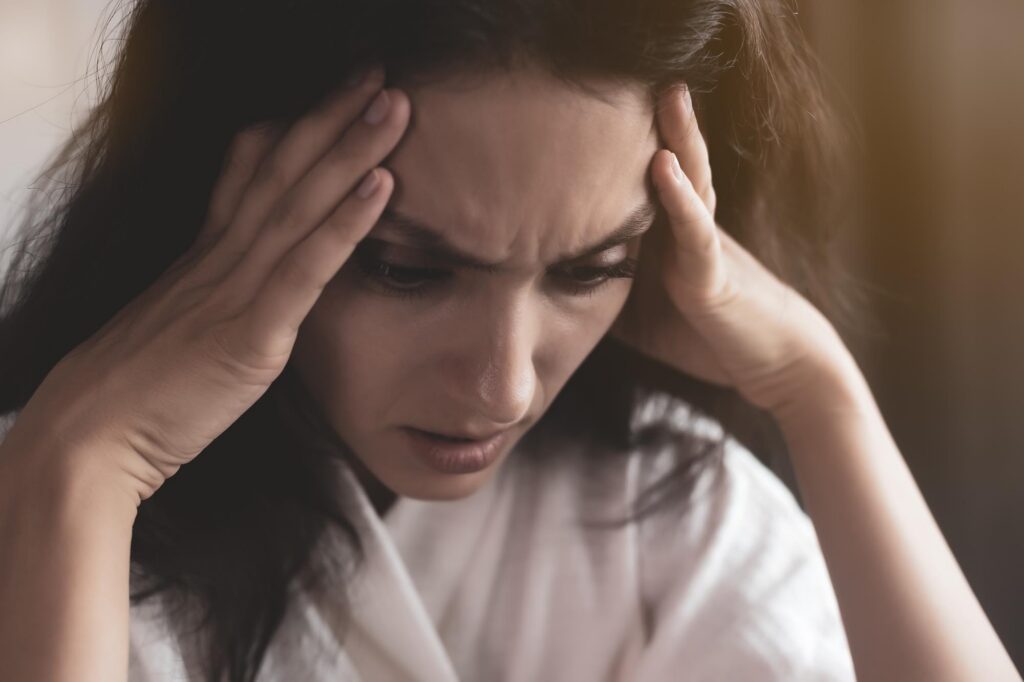
Because these symptoms can mimic cardiac events, medical evaluation is important when symptoms are new, severe, or changing.
Why panic attacks can feel like you’re dying
During panic, your body releases adrenaline. Your heart rate increases. Breathing speeds up. Muscles tense. Your brain becomes hyper-alert for threat.
Then comes a very common cycle that keeps panic going:
- A scary sensation happens (tight chest, dizziness, racing heart)
- A catastrophic thought follows (“This is a heart attack”)
- More fear creates more adrenaline
- Symptoms intensify, which reinforces the fear
The good news is that with the right support and skills, this cycle can be interrupted. Many people feel significant relief once they understand what’s happening and learn how to respond differently.
What a heart attack is (the basics everyone should know)
A heart attack happens when blood flow to part of the heart is blocked. Without blood flow, heart muscle can be damaged.
Symptoms can look different across individuals, and they can be more subtle in some people. That’s one reason we always recommend treating new or severe symptoms as urgent.
Common heart attack symptoms
Common symptoms can include:
- Chest pressure, squeezing, heaviness, or pain
- Shortness of breath
- Cold sweat
- Nausea or vomiting
- Lightheadedness
- Pain or discomfort in the arm(s), jaw, neck, back, or upper stomach
- Unusual fatigue
Some heart attacks can feel “atypical,” such as indigestion-like discomfort, back pain, overwhelming fatigue, or shortness of breath without obvious chest pain.
If you suspect a heart attack, call 911. If symptoms are severe, don’t drive yourself.
If you’ve been checked out medically: what to do during a panic attack
These strategies are for people who have been evaluated already, or who are confident they are not having a medical emergency right now.
The goals are to reduce hyperventilation, signal safety to your nervous system, and ride the wave instead of fighting it.
Step 1: slow the body down (breathing that actually helps)
Try this simple pattern:
- Inhale through your nose for 4 seconds
- Exhale slowly for 6 to 8 seconds
- Repeat for a few minutes
If breathing exercises make you feel more anxious, skip them. Instead, focus on grounding (below) or try slow, paced movement like gentle walking. The goal is not perfect breathing. It’s simply a longer exhale.
Step 2: ground your senses to break the fear loop
Try a quick grounding technique:
- Name 5 things you can see
- 4 things you can feel
- 3 things you can hear
- 2 things you can smell
- 1 thing you can taste
Also try a quick posture reset: feet on the floor, jaw unclenched, shoulders down, hands relaxed, belly soft.
If you can, use a temperature cue. Cool water on your hands or face can help lower arousal for some people.
Step 3: reframe the thought without arguing with it
A simple script can help:
“This is panic. It feels dangerous, but it will pass.”
Try not to fall into reassurance traps like repeatedly checking your pulse, scanning your chest, or searching symptoms online in the moment. If you can, redirect to a small task: counting backward, naming colors in the room, folding laundry, a short walk, or gentle stretching.
Panic is a body alarm, not a personal failure.
After the episode: how to reduce future panic attacks
Long-term recovery is less about “toughening up” and more about retraining the nervous system and reducing common drivers.
Professional support can be especially helpful if panic attacks are frequent, causing avoidance (driving, stores, being alone), affecting work or school, or tied to trauma, substance use, or depression.
Common drivers we often see (and can treat)
Some common contributors include:
- Stress overload or burnout
- Grief or major loss
- Trauma reminders
- Sleep deprivation
- Caffeine or stimulant use
- Health anxiety (especially after a medical scare)
- Major life transitions (moving, divorce, new baby, job changes)
- Depression or PTSD symptoms that intensify anxiety
- Substance use or withdrawal (including alcohol, cannabis, and stimulants)
You don’t need to figure out which of these apply on your own. A thorough assessment can help connect the dots and guide treatment.
Evidence-based treatment options
Panic is highly treatable. Some of the most effective options include:
- CBT for panic (often includes cognitive skills and interoceptive exposure, which helps you get less afraid of body sensations)
- Trauma-informed therapy when trauma is part of the picture
- Skills-based group support to practice tools in real time with others who get it
- Medication support when appropriate, managed by qualified clinicians as part of a broader plan
- Lifestyle supports like stabilizing sleep, nutrition, movement, reducing caffeine, limiting alcohol, and building a consistent recovery routine
When panic attacks overlap with substance use or co-occurring mental health needs
Sometimes panic attacks lead people to self-soothe with alcohol, cannabis, or other drugs. And sometimes substances themselves increase panic, especially with withdrawal, heavy use, high-THC products, stimulants, or mixing substances.
When anxiety and substance use show up together, we call it co-occurring disorders. Treating both at the same time tends to improve outcomes because each one can keep the other going. If any part of your anxiety has started to feel tangled up with drinking or drug use, you don’t have to manage it alone. Specialized outpatient treatment can help you build safer coping tools while addressing the underlying anxiety and stress.
How we can help at BayPoint Health (outpatient care in Portsmouth, NH)
Finding quality mental health and addiction treatment close to home can make a real difference. At BayPoint Health, we provide compassionate outpatient care for individuals and families in Portsmouth and across New Hampshire. We work hard to create a safe, welcoming space where you can start your wellness journey with support from experienced professionals.
We offer personalized treatment for:
- Anxiety and panic
- Depression
- Trauma and PTSD
- Bipolar disorder and mood concerns
- Substance use disorder (SUD)
- Co-occurring mental health and substance use needs
Our programs include:
- Partial Hospitalization Program (PHP): structured daily support with group therapy, counseling, skill-building workshops, and psychiatric evaluation
- Intensive Outpatient Program (IOP): flexible scheduling with targeted therapy for anxiety, depression, trauma, and addiction recovery
What getting started looks like (simple, supportive, and confidential)
If you’re ready to talk with someone, we’ll meet you with compassion and clarity. We can:
- Start with an assessment to better understand what you’re experiencing
- Help you explore the right level of care (PHP or IOP)
- Review insurance coverage and treatment options with you
If you need additional community resources, the NH Doorway Program and the NH Department of Health and Human Services can also be helpful starting points.
Closing: trust your instincts, then get the right kind of support
When in doubt, treat chest symptoms as urgent and get checked. If you’ve been medically cleared and panic attacks are the issue, know this: panic is highly treatable, and you don’t have to keep living at the mercy of that fear wave.
If you’re experiencing panic attacks, anxiety, trauma symptoms, or substance use concerns, contact BayPoint Health Center to schedule an assessment and learn more about our PHP and IOP programs in Portsmouth, NH. We’re here to help you take the next step.